
Case study / Design experiment
Eleven years of a sitcom announcing its own scenes.
An archive, and the much older habit behind it.
01 / No establishing shot
Frasier never cut to the outside of a building. Where another sitcom used an establishing shot, this one cut to black and told you, in words, what it was about to do.
02 / A few seconds of typographic drama
Stark black field. Korinna typeface in white, centered in all caps. No music, no motion graphics, no laugh track. The card holds long enough to be read twice, and the punchline often hits you before the scene has started.
03 / Three that people still quote
Most of the cards are titles bent into puns. A few are perfect, and those are the ones that outlived the show.
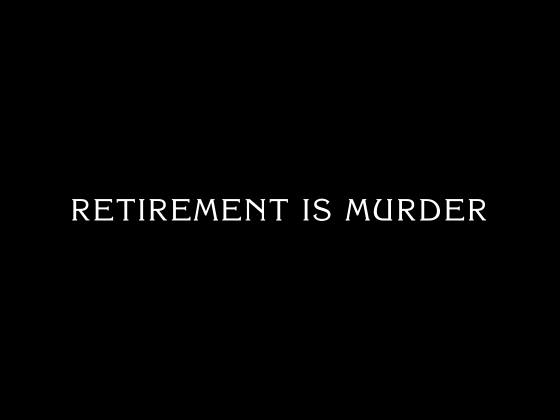
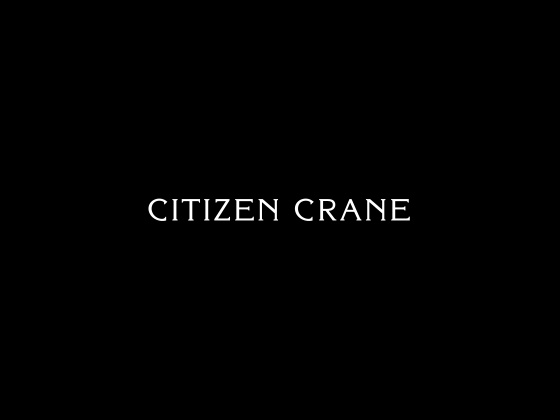
The archive
Every classic Frasier title card, in broadcast order
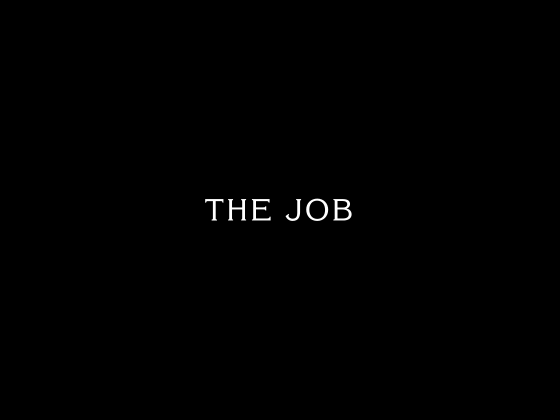
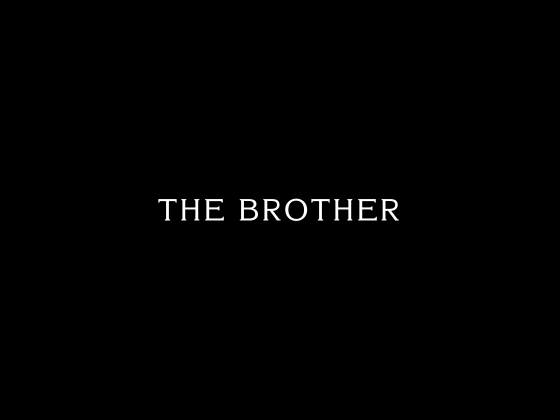
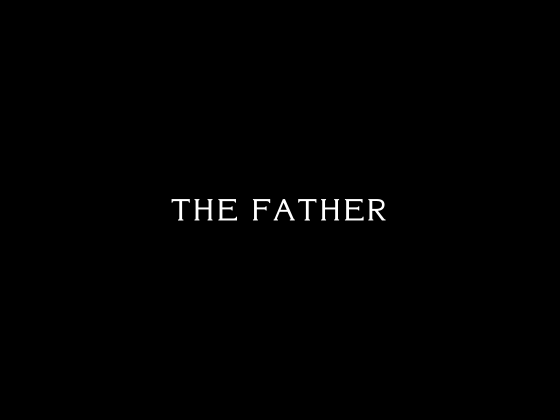
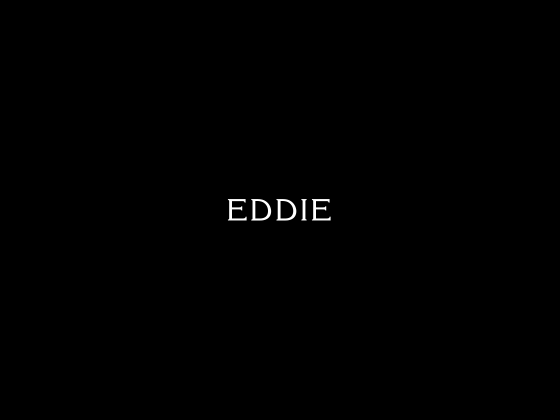

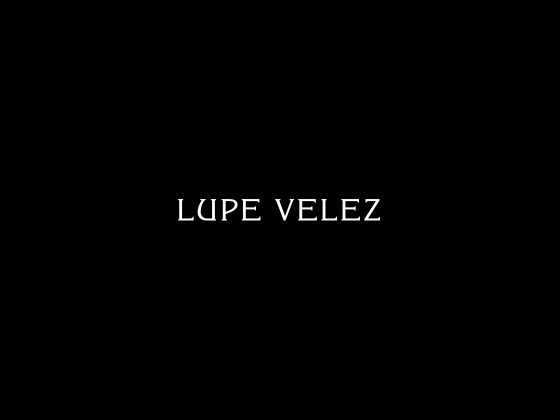
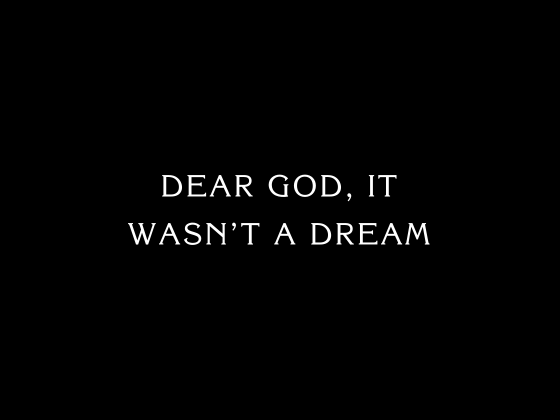
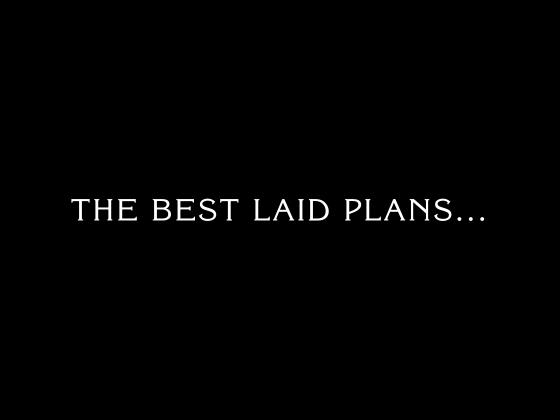
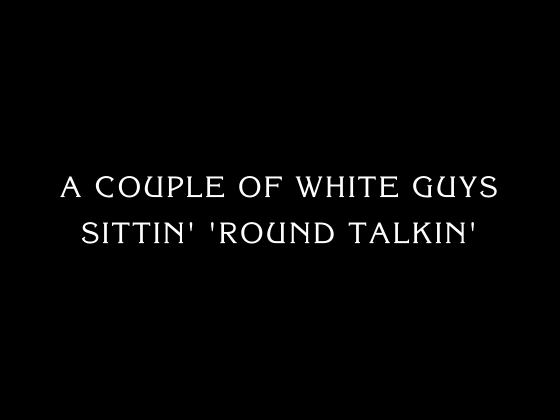
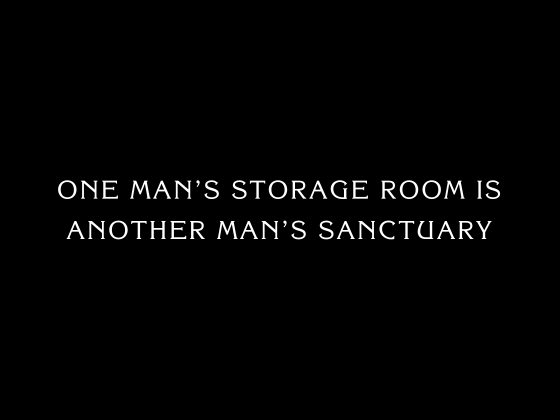
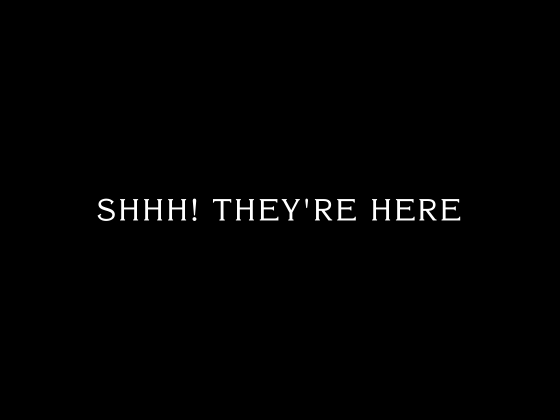


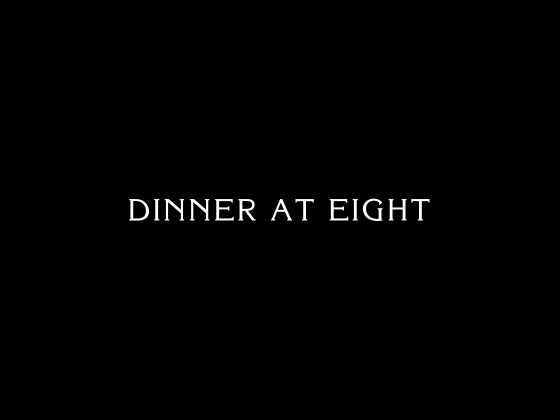
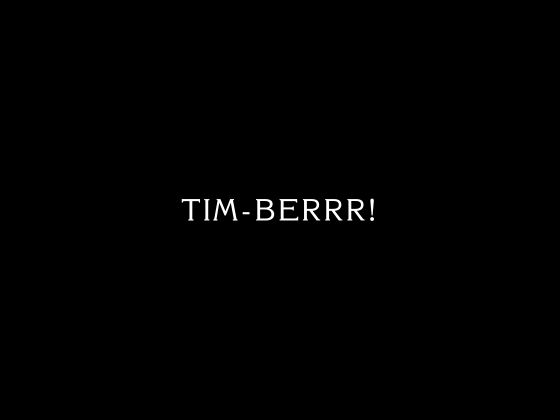
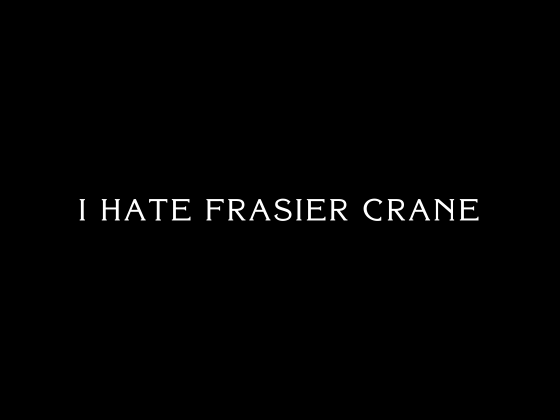
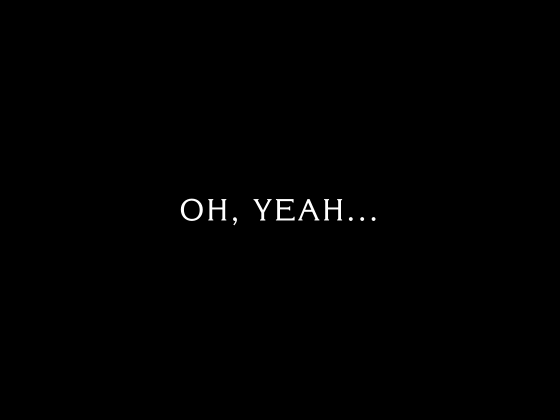

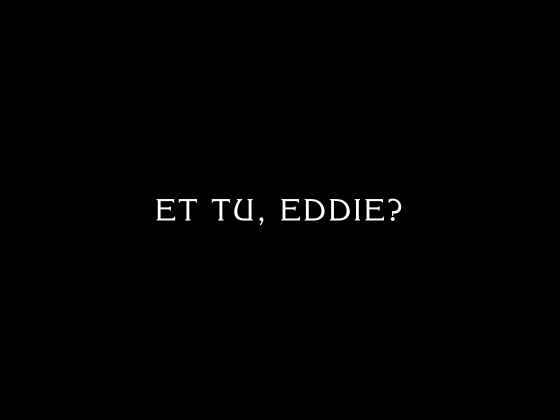
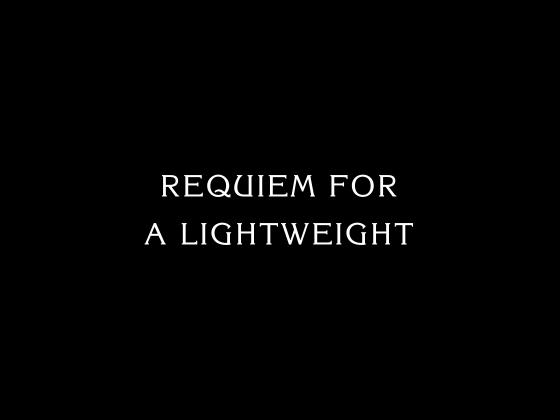
261 episodes · 584 cards
Meanwhile, centuries earlier
04 / Intertitles
Before sound, the intertitle carried every line of dialogue and every change of place. Working lettering artists drew them by hand, one frame at a time, and signed nothing.

05 / Chapter cards, cinema and television
The chapter card never left. It moved from necessity to choice, and now it turns up wherever a director wants a beat of silence before the next thing happens.

06 / The device moves into conference rooms
As a designer and creative team leader, this one is close to my heart. Agency pitch decks chaptered with black statement slides: the same move, used in a room where someone is trying to sell a big idea.

07 / The homage thread
The Simpsons drew the device well enough to parody it, which is its own kind of proof. The joke only works if you already know the shape it is copying.

08 / Heralds and fanfare
Before the arrival, the announcement. A herald and a trumpet told a room who was about to walk into it, and the fanfare did the work the entrance could not do for itself.

09 / The prologue chorus
The chorus walks out first and tells you the ending. Once upon a time is a door, not a sentence. It says a story is starting and asks you to change how you are listening.

10 / Illuminated incipits
Medieval scribes opened a manuscript with an incipit: here begins. The first letter took the gold and the labour, because the beginning was the part worth decorating.

Framing is mnemonic.
A named beginning chunks the story and makes it stick.
Announcing the tale has always been part of telling it.
The writers room is open. Bring a photo, leave with a title worthy of the black card.
Fanfare
Give any photo a glorious introduction.
The title card is among civilization’s more elegant instruments: the herald’s trumpet, the hush before the curtain, the overture that tells you how to feel about everything that follows. Few have wielded it as deftly as the writers of Frasier, who could set a scene, land a joke, and flatter your intelligence in six words of silence. You, presumably, also have something to share with the world. I suggest only that it arrive properly introduced.
Processed in memory. Never stored by us, never used for training.
The sample deal. Bring your own photo when ready.