

A borrowed clinical narrative did more for our product story in one week than a quarter of feature announcements. On finding the story your users already believe.
Clinicians are trained on a story long before they meet our product. Diagnosis, then goals, then interventions, then notes, then proof that care happened. Clinical educators call it the golden thread, and it’s a load-bearing idea: every artifact of the work is supposed to trace back through that line, and a clinician can feel it when one doesn’t. I’ve spent years narrating product changes to this audience, and this week I watched a borrowed version of that thread do more narrative work in 5 minutes than we usually manage in a quarter.
It surfaced on a customer call, and 2 of our most senior leaders grabbed it before the week was out. That speed says something important. We’ve been explaining changes the way most product orgs do: here’s the feature, here’s what’s new, here’s where to click. The thread explains them differently: here’s where this sits in the care you already deliver. Same product, same release notes, completely different reception. A narrative that maps to the user’s own training reads as improving your workflow. A narrative that maps to our org chart reads as change for change’s sake.
Anchor every change to the story your users were already told, and your product reads as their workflow getting better instead of your roadmap arriving.
Here’s the second sighting. One of our teams is building a client-facing feature with a set direction, a hard deadline, and a why that wouldn’t sharpen. We stopped debating scope and anchored the feature to the thread instead: it builds rapport between sessions, it lowers the barrier to saying the hard thing, and it feeds the notes that prove care happened. Nothing about the scope changed. The story did the clarifying, right down to how we’ll measure success.
The shelf

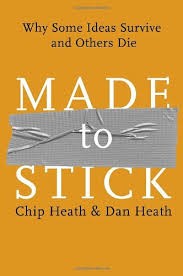

There’s a catch, and it’s the reason I wrote this piece. By Friday I’d heard the thread defined 2 different ways in 2 different rooms. A narrative you can’t say consistently will fragment into slogans, and every surface that touches it drifts a little further from the others. So the assignment before a single pixel changes to this: write the definition down, one sentence, and make every team say it the same way.
The bigger lesson travels well beyond mental healthcare. Your customers were trained on a story about their work before your product existed. Pilots have the checklist, accountants have the close, teachers have the lesson plan. Find that story, borrow it with respect, and stop asking customers to learn yours.
The teachable part
Your customers were trained on a story about their work long before they met your product. Find it, write it down in one sentence everyone repeats, and anchor every change to it.