
The three non-design competencies I talk about most when people ask how to prepare for design leadership, and what I recommend for each.
When I give talks on design leadership, a common question I get is not about portfolio, process, or team structure. It is some version of: “What should I be reading, watching, or practicing to prepare for a bigger role?” After I gave a talk this week to an employee resource group on pathways to leadership, that question came up again in three different forms. This article is my attempt to answer it honestly.
There are thousands of books on leadership. A smaller number of them are useful for a designer trying to become a design leader. And an even smaller number speak to the three competencies that, in my experience, separate senior craft practitioners from leaders who can operate at the executive level. Those three competencies are financial literacy, executive communication, and change management. None of them are taught in design school. All of them are learnable. And the shelf space needed for each is smaller than you might think.
Financial literacy: Learning to speak in money
I’m not talking about becoming a finance person. I am talking about reaching the point where you can read a P&L, understand what EBITDA is, and explain the business impact of a design initiative in revenue, retention, or cost-reduction terms without flinching. The goal is fluency, not expertise. When a board member asks what your team is working on, you should be able to answer in language that maps to the metrics they already have in their head.
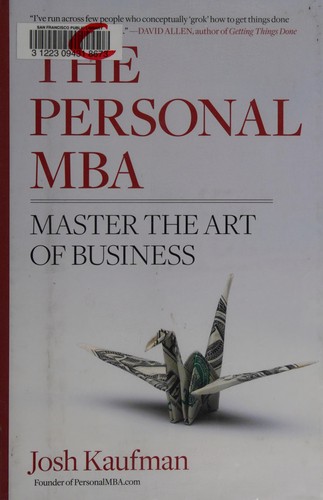
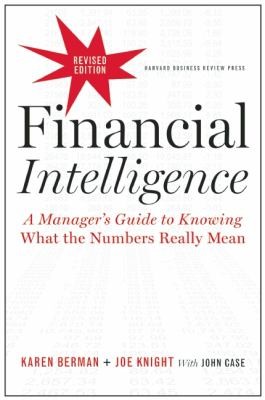
Two resources moved the needle for me. Josh Kaufman’s The Personal MBA is the foundational read, not deep in any one area, but wide in all the right ones (marketing, sales, finance, value creation) and it gives you a working vocabulary in a few weekends. Start here if you have never taken a business course. Karen Berman and Joe Knight’s Financial Intelligence is the next step. It is written for managers who are not trained in finance but who are being asked to make financial decisions. It will teach you how to read the three main financial statements and, more importantly, how to interrogate the assumptions behind them. If you want to be the design leader who asks good questions about unit economics, this book will get you there.
Executive communication: Writing and speaking for leaders
Most design leaders can talk about design fluently. Fewer can talk about it crisply to people who don’t care about design, or don’t understand the full value we can bring to the table. Executive communication is the discipline of tightening your thinking until it fits into the time a senior stakeholder will actually give you, and then delivering it in a way that leaves them more aligned than they were before the meeting.
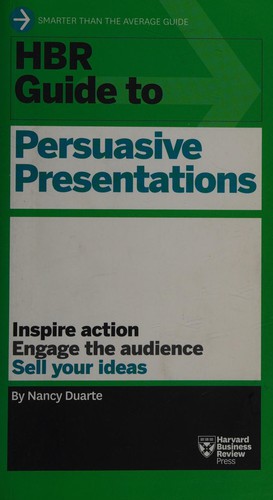
Nancy Duarte’s Resonate and her Harvard Business Review Guide to Persuasive Presentations are the two I recommend most often. Resonate is more structural and inspirational, it teaches you to build a talk the way a screenwriter builds a story, with tension and resolution. The HBR guide is more tactical, the field manual you revisit before a big moment. Read Resonate first, then keep the HBR guide on your desk.
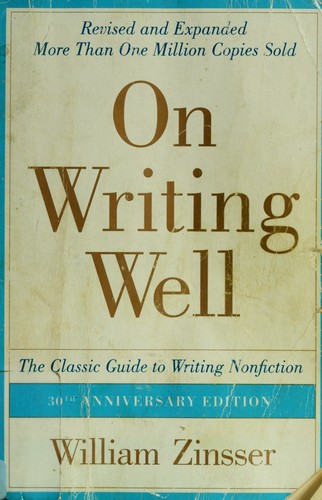
For writing specifically, William Zinsser’s On Writing Well is still the best short book on removing everything that does not belong. Every time I re-read it, my emails get shorter and my narratives get cleaner. If you prefer audio, Lenny’s Newsletter and podcast is the single best source I have found for learning how senior product leaders frame trade-offs in their own words. Listen as a way of training your ear for the register of the room you are trying to enter.
Change management: Leading when people would rather you did not
This is the competency I underinvested in for the longest time. I assumed that if a change made sense, people would come along. They do not. People resist change, and the resistance is usually about something deeper than the change itself. The most senior leaders I know are not the ones with the best ideas. They are the ones who can actually land those ideas inside a stubborn organization.
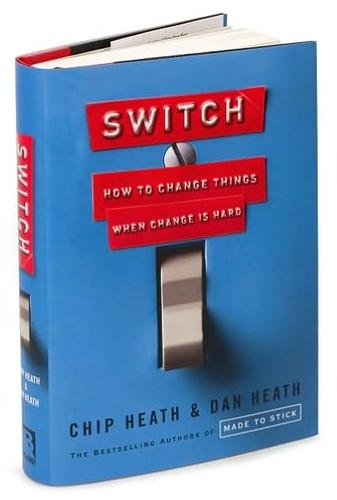
Chip and Dan Heath’s Switch is the single most useful book I can recommend. Their Rider-Elephant-Path model is a cheat code for any “change” conversation. It separates the rational argument (the rider) from the emotional buy-in (the elephant) from the environmental friction (the path), and it shows you why most change efforts fail at only one of the three.
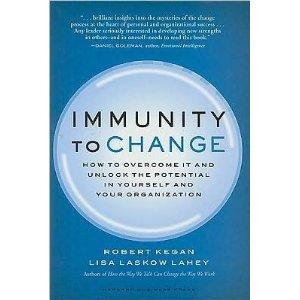
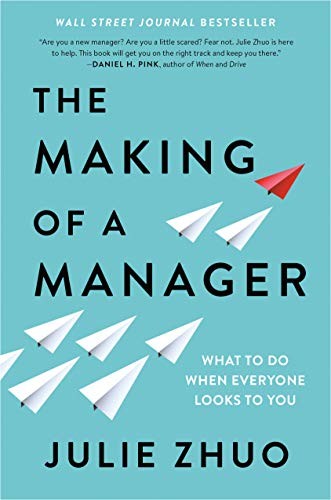
Kegan and Lahey’s Immunity to Change is harder going but more profound. It argues that resistance to change is rarely about stubbornness; it is about competing commitments the person is not fully aware of. For coaching people through reorgs, role changes, or process overhauls, this is the book I keep returning to. For tactical day-to-day leadership reading, Julie Zhuo’s The Making of a Manager is still the kindest on-ramp I have found. It was written for first-time managers, but senior leaders will still recognize themselves in it.
The shelf I did not list
None of the above is about design and that’s intentional. The design books you already have are the ones that got you here; they are not the ones that will get you further. If you are a senior IC or a lead reading this and thinking “but what about the design-specific books?” My honest answer is that the design field has not produced many that work at the leadership level. The best design-leadership writing lives in blogs, podcasts, and newsletters rather than in books, which is why the Reading List on this site is going to keep growing.
The point of a reading list for leaders is not to finish the shelf. It is to build the ladder. Each book is a rung, and you climb by actually using what you take from it. Pick one from each of the three sections above. Read it over the next two months. Then come back. The shelf will still be here.
Here’s everything I mentioned above, in one place. Pick the rung you need next.
The shelf