How we stay connected to clinicians after discovery ends, why every release spends their limited attention for change, and 4 books on helping people take on something new.
Discovery is the stretch of our process where designers sit closest to clinicians, from the first interviews to the research readout. At our Monday design warm-up I asked the room a question I haven’t answered well myself. What happens after the research phase, when we go to define, build, ship and learn? How are we staying connected to clinicians’ workflows in those parts of the process?
The first answer in the room was the natural one: tell clinicians what we shipped. That’s part of it, and I’d set the bar somewhere harder to reach. What I care about is whether our work is removing the friction clinicians told us about. Sometimes the answer is that we designed for the workflow we think they should have, and they’re doing it another way entirely.
We learned this on a billing workflow we shipped earlier this year. Adoption only picked up after customers sat through a demo or a webinar. Without that story, the new screen read as one more screen, and it added confusion instead of taking it away. The missing design work was change management: going to clinicians before the release and saying, here’s why the old workflow isn’t serving you, and here’s how it could work instead.
A designer on my team pushed back on all of this, and it was a fair push. We’re asking teams to ship more, and clinicians have a fixed amount of attention to give to change. Several launches land on the same people in the same month, and the work that would help them absorb it, like a changelog or a what’s-new page, doesn’t earn revenue, so it rarely gets funded. Another designer took it further and argued for releasing on a quarterly or twice-a-year rhythm. When clinicians face constant change, the argument went, they fall back on the old patterns, because the old patterns are easier and they don’t have time to learn the new ones.
That’s the frame I’ve been using since: clinicians have a change budget. Their caseload sets it, and every release we ship spends some of it, whether we plan for that or not.
Every release we ship spends some of a clinician’s change budget, whether we plan for that or not.
So, here are the moves we’re trying.
Write release notes in clinicians’ language. Here’s what we’re shipping, here’s when we’re shipping it, and here’s the part of your day it helps with. We keep a shared map of the clinician’s whole workflow, from the first appointment request to getting paid, and tying each release to a spot on that map is when it clicks for people.
Spend the budget on a schedule. I asked our senior leaders this week whether we should move to a structured release rhythm, the way our marketing team already runs spring and fall campaigns while features ship continuously. There’s no answer yet, and I don’t think the answer should come from the top. Release cadence is an operations decision: it belongs with the people who run how the company works day to day, and that’s where I’m making the case.
Share the education work. It isn’t only on product and design. Customer success hears from clinicians every day and can turn those calls into playbooks, and marketing can tell the story of a change before it lands. If product carries all of it, our focus swings back and forth between what clinicians are asking for and the work that drives revenue, and that isn’t sustainable.
The clinicians we interview at the start of a project should hear from us again at the end, in words that make sense on a full clinic day. That’s the part of discovery I want us to keep running after the readout.
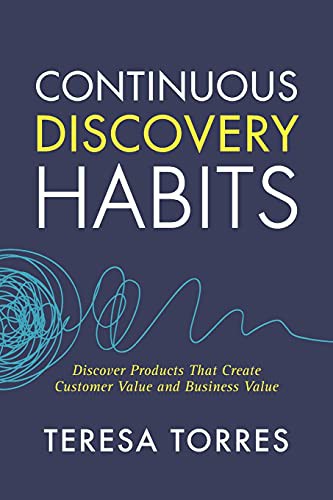
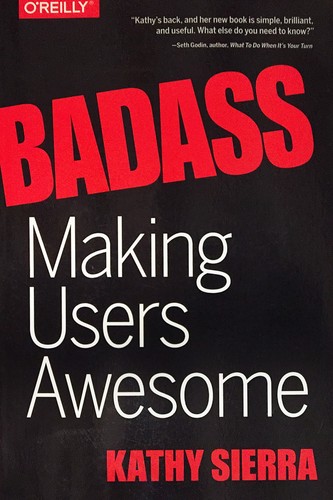
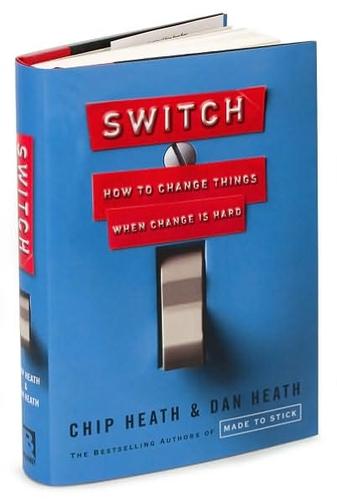
4 books on helping people take on something new.
The shelf