

How a beloved show's act cards became acceptance criteria for a photo-caption feature, kill rule included.
A beloved sitcom runs a device where a title card flashes, the act begins, and the card works wonders because it supplies the turn the scene couldn’t say about itself, arriving exactly when the audience has the context to feel it. This week that observation became a specification with acceptance criteria, which is the kind of sentence I now get to write.
The project is a photo-caption feature, and the temptation with anything caption-shaped is to generate a hundred options and pick by vibes. Studying the show’s mechanics produced rules instead. The first is a kill rule: the card must do work the photo can’t do alone, and a caption that merely describes what’s visible dies on sight, no matter how nicely it’s phrased. The second is a planted-detail device, because the best cards pay off something small the viewer half-noticed, so the feature should hunt for the detail in the photo that a caption can plant and reward. The third is a reveal test, which asks whether the caption re-orders how you see the image, because a caption that fails the test is a nametag.
The last rule governs the generator itself: the options it produces must span different comedic devices rather than clustering, because five variations of the same joke is one option wearing five outfits, and the picker deserves an actual choice. Then we built a scoring framework and started trialing the rules against actual photos, which is the moment taste stops being private. A rule that sounded airtight in the abstract meets a photo of somebody’s dog and either survives or gets amended, on the record, with the photo as evidence.
A card that lands makes you look at the photo again.
The shelf
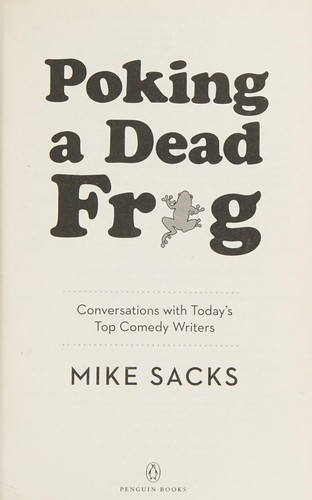
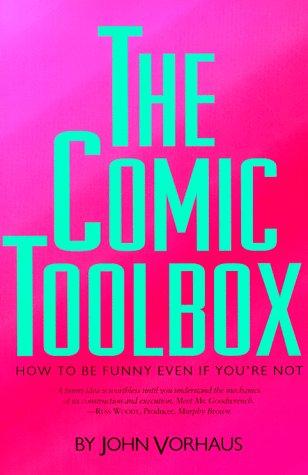
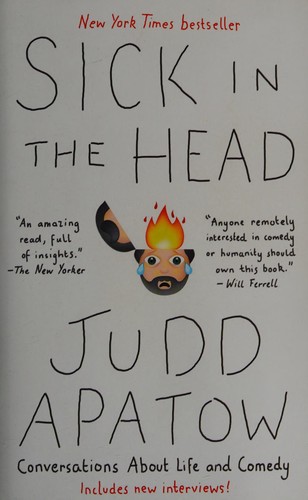
The deeper argument is about where specs come from. We reverse-engineer competitors constantly and call it diligence, but the things we love outside our industry get left as ambient inspiration, mood-board material, nothing you could fail a test against. The show’s writers solved a production-hardened version of our exact problem: when does a line of text earn its place next to an image that’s already doing the talking? Treating their answer as a spec, kill condition included, got us further in a week than a quarter of taste-based caption review would have, and the scoring sessions are funnier meetings than we usually get to hold, which I’m counting as a secondary outcome.
The teachable part
Reverse-engineer one piece of work you love into rules with a kill condition, then score your own output against them. Delight has mechanics, and mechanics can be specced.