

Documents written with machine help are getting flagged on sight. Where the giveaway actually sits, and what rewriting one taught me about the fix.
Author’s Note: Any long dashes in this write-up were actually punched in by human hands.
Two documents got flagged this week for reading, in the flaggers’ words, too heavy on the artificial intelligence. A third writer was told outright to humanize a draft before sharing it upward. This is a new genre of career hazard, and it deserves discussion in the open rather than being handled as a private embarrassment: senior leaders have developed a nose for machine-assembled writing. They read it as a statement about the sender’s effort, and consequential drafts now get judged on the smell alongside the merits.
I spent part of the same week on the fixing side of one of these, rewriting a document that had been assembled with machine help and read exactly as such. The moment it clicked was laying two of the sections side by side on my screen and watching them trace the identical shape — same order, same length, same rhetorical turn landing in the same place. Most people hunt for the tell in vocabulary, scrubbing drafts of the famous giveaway words as if that would fix it — but the draft still gets flagged, because the reader reacts to shape.
We rewrote from scratch rather than patching, because patching a skeleton leaves you with a patched skeleton. Each case got its own architecture, argued in the shape its own evidence wanted, and every colleague quote stayed verbatim, since nothing reads more human than a sentence a specific human actually said, hesitations included. The template smell left with the template.
When all your arguments share the exact same bones, they just clatter like clockwork — no matter how beautifully you dress them up.
The shelf
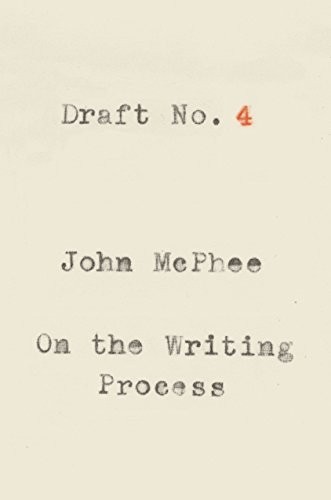
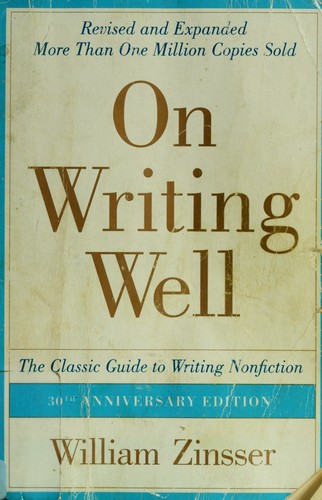
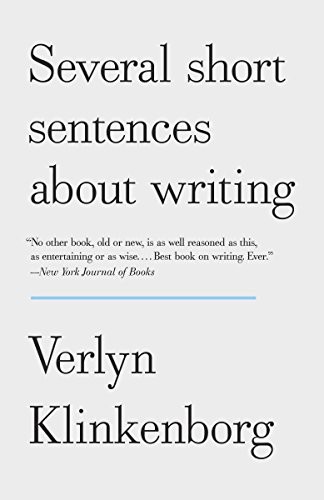
I keep using the tools, and I expect everyone else will too, so the interesting question is what obligation survives the assistance, and my answer is the choosing. These tools produce structure by default, and structure is exactly the thing a reader assumes the writer chose. When the shape of an argument was chosen for nobody’s reasons, readers feel the absence of the choosing even when they can’t name it, the way you can tell a model home from a lived-in one before you’ve touched anything: the furniture is fine, and nobody lives there.
So the standing advice I’m giving anyone sending a consequential document up the chain: outline your finished draft backwards. Take each section and reduce it to its skeleton, and if every skeleton matches, start from a blank page, because your reader will run the same test without knowing they’re running it.
The teachable part
Outline the finished draft backwards before you send it up. If every section reduces to the same shape, rewrite from a blank page, and keep quoted voices verbatim.