What a model update taught us about the voice in a clinician’s notes, why the layer we control matters more than the model underneath it, and 4 books on writing in your own voice.
Our AI note-taking feature had a hard week. A clinician wrote in upset that their progress notes didn’t sound like them anymore, and in the same week other clinicians were writing in to praise the exact same change. Nothing in the feature had broken. The model underneath it had been updated, and the new version phrased things differently than the one before it.
When my design leaders and I talked it through on Thursday, the way I put it was that we keep changing how a clinician sounds to themselves in their notes. A progress note is a clinical record, and it’s also something a clinician writes dozens of times a week, so over months it turns into their voice on paper. This person took it personally, and I understand why: from where they sit, it’s almost like we messed with their voice. I don’t want to minimize how serious that is for the customers who feel it.
I have a small version of this in my own work. I draft with AI tools, and a colleague who reads a lot of what I write will tell me when something doesn’t sound like me. Usually it’s because the tool underneath changed and started smoothing my sentences into someone else’s. It’s a strange feeling to read your own name above a paragraph and not recognize the person who wrote it, and I only notice because someone who knows how I talk is reading closely.
A product design leader on my team asked 2 questions in that conversation. Could clinicians pin the version of the model they liked? Or should we build our own model, so the voice never moves? Both are reasonable instincts, and I’d steer us away from both. Pinning freezes clinicians on whatever model they happened to like, which means they stop getting the improvements in accuracy and safety that come with each new one. Building our own model puts us in a race we don’t need to run.
What I’d rather we design is a final pass layer that we fully control, sitting between the model and the note. The model can change as often as it needs to, because we should always be using the best one available, and the final pass holds on to the things that make a note sound like the clinician who wrote it: the way they phrase things, how long their sentences run, the clinical terms they reach for, and the terms they never use.
The model underneath can change as often as it needs to, as long as the clinician’s voice in their notes stays their own.
There’s a design problem inside this that I want our teams to take seriously. We can’t truly see clinicians’ notes, and we shouldn’t be able to, because that’s the privacy clinicians trust us with. So we can’t judge voice drift by reading notes ourselves, and the signal has to come from clinicians. I’d want a simple way for a clinician to tell us “this doesn’t sound like me,” and an easy path back to the phrasing they had.
Every AI feature that writes on someone’s behalf carries this problem with it, and the notes are where we felt it first. The test I’d use for all of them is whether the person reading the output would recognize themselves in it.
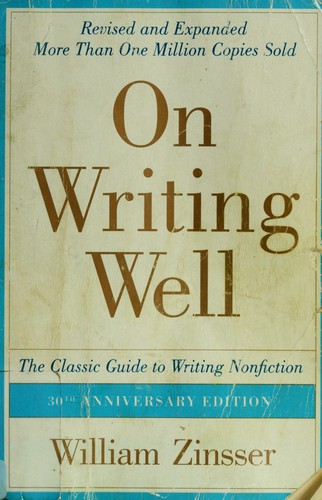
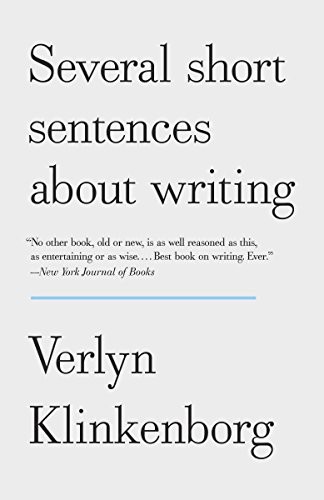
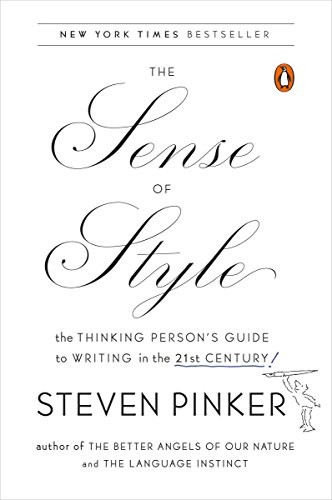
4 books on writing in your own voice.
The shelf