

A designer hated an opt-out default on sight. Then the team relocated the consent to the signup, and she changed her mind in public.
One of our product designers saw an opt-out trial model during one of our crits this week and simply put: hated it on sight. The shape of it: you join a waitlist for a new offering, and the trial and the billing follow from that choice unless you cancel first. She said so in front of the whole team, on behalf of people who would never be in the room, which is exactly what we pay designers to do.
The team didn’t defend the mechanics. It relocated the consent instead. Nobody lands in this trial by accident: you join a waitlist (on purpose) because you want what’s on the other side of it. That signup is the conscious opt-in, and the precedent is everywhere; Spotify, Duolingo, and most premium trials run the same shape. The reframe moved the question from whether opt-out is ethical to what we owe someone after they’ve opted in. Those are different briefs, and the second one is actionable.
The line between a default and a dark pattern is the quality of your notifications.
Our answer is transparency at every step after the signup. Proactive notifications before billing starts, not buried in a terms page. One place that puts time remaining and the way out in the same glance; a PM partner pushed us in review to make those read as one thought instead of 2. A cancel path as fast as the enrollment. No euphemisms on any button. A default is a promise about what happens next. The moment any of those weaken, the critics get the argument back.
The shelf
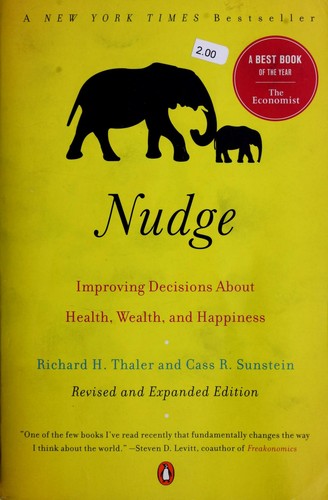

The part I keep thinking about is the designer’s very mature move here. By the end of the discussion she said it plainly: she’d started out personally offended, and once the consent moved to the signup she could see why the model makes sense for the business. Changing your mind in public, with your reasoning attached, does more for a design culture than winning the argument would have. She didn’t lower her standards. She moved her scrutiny to where it counts, and now the notification chain has a very attentive owner.
The teachable part
If you ship an opt-out default, earn it: treat the signup as the consent moment, notify before every charge, and make the exit as fast as the entrance. The default is only as defensible as the weakest notification in the chain.